
Components of a PEB Structure: Understanding the Building Blocks of Modern Industrial Construction
Introduction
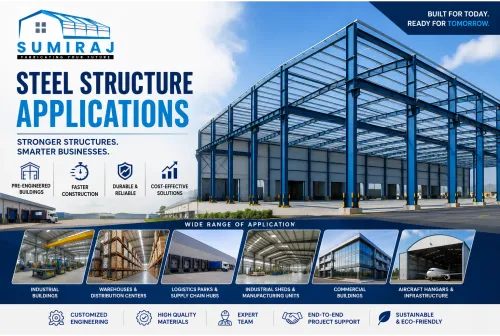
Pre-Engineered Buildings (PEBs) have transformed the construction industry by offering faster project execution, cost efficiency, durability, and design flexibility. Whether it is a warehouse, factory, logistics hub, commercial complex, or industrial shed, a PEB structure is designed using carefully engineered components that work together to provide strength and stability.
As a leading manufacturer and supplier of Pre-Engineered Buildings, Sumiraj delivers high-quality PEB solutions tailored to industrial, commercial, and infrastructure projects across India. Understanding the key components of a PEB structure can help businesses make informed decisions when planning their construction projects.
In this article, we will explore the major components of a PEB structure and their functions.
What is a PEB Structure?
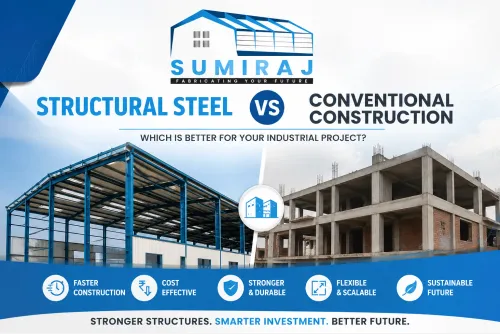
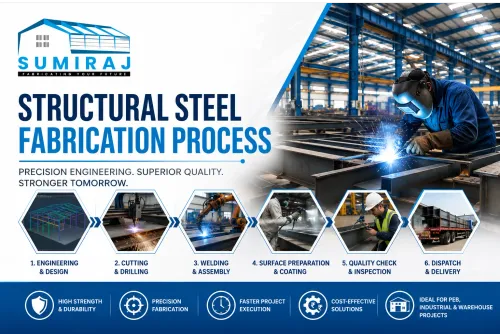
A Pre-Engineered Building (PEB) is a steel structure designed and fabricated in a factory and assembled at the project site. Unlike conventional construction methods, PEB systems are engineered for optimal material utilization, resulting in lower costs, reduced construction time, and superior performance.
The strength and efficiency of a PEB building depend on several critical structural and secondary components.
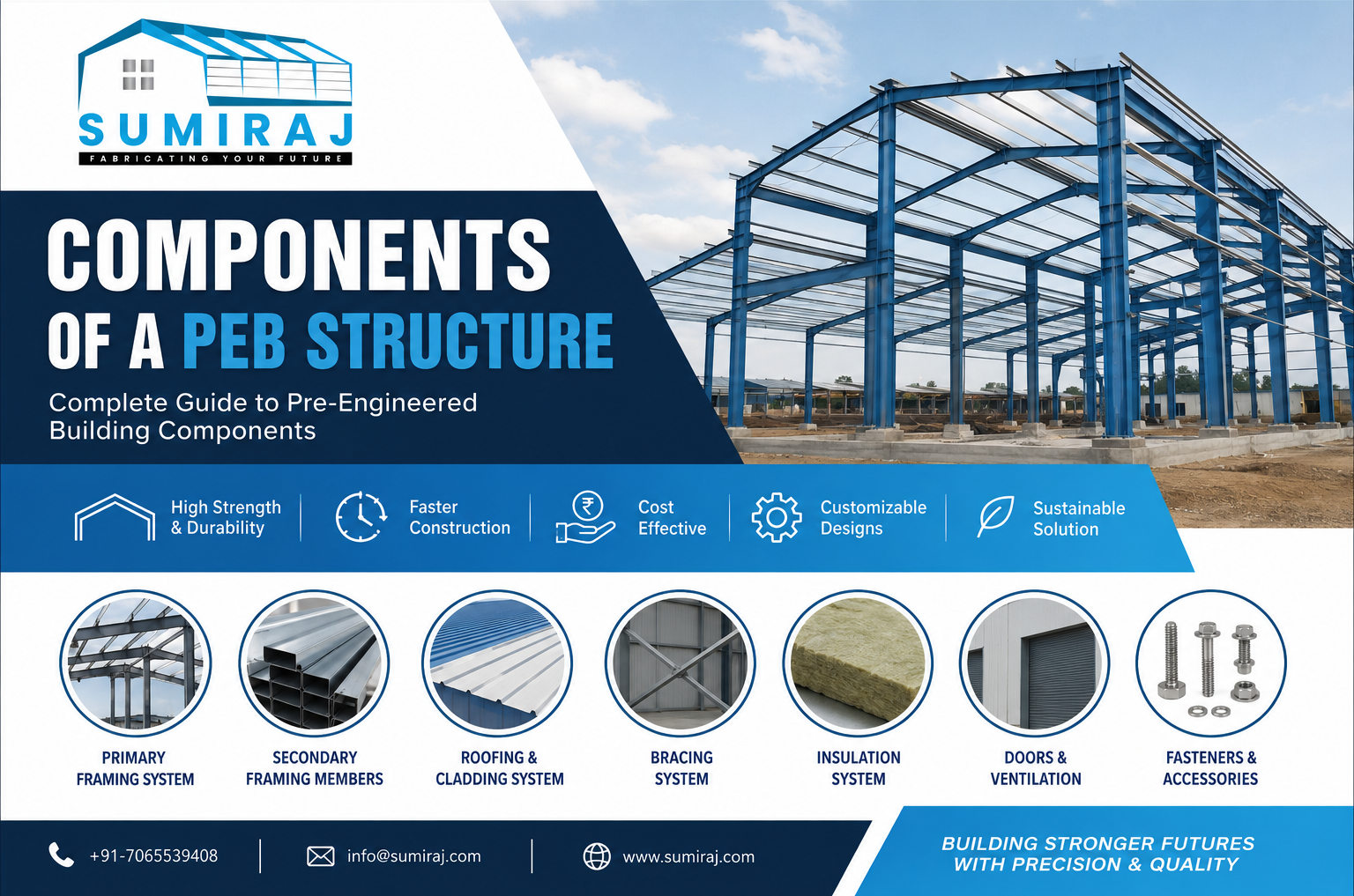
Main Components of a PEB Structure
1. Primary Framing System
The primary framing system forms the backbone of the entire PEB structure.
Components Include:
Built-up columns
Built-up rafters
End wall columns
End wall rafters
Function:
Supports the overall building load
Transfers loads safely to the foundation
Provides structural stability against wind and seismic forces
Primary members are typically fabricated from high-strength steel and designed according to project-specific load requirements.
2. Secondary Framing Members
Secondary members connect with the primary framing system and support roofing and wall cladding.
Components Include:
Purlins
Horizontal members installed on the roof to support roofing sheets.
Girts
Horizontal wall members used to support wall cladding.
Eave Struts
Members installed at the junction of roof and wall panels.
Function:
Support cladding systems
Distribute loads evenly
Improve structural rigidity
Cold-formed Z and C sections are commonly used for these members.
3. Roofing System
The roofing system protects the building from environmental conditions while enhancing thermal performance.
Components Include:
Color-coated roofing sheets
Standing seam roofing systems
Insulation materials
Ridge caps
Flashings
Function:
Weather protection
Water drainage
Thermal insulation
Improved energy efficiency
Modern PEB roofing systems are designed for durability, leak resistance, and low maintenance.
4. Wall Cladding System
Wall cladding serves both functional and aesthetic purposes.
Components Include:
Single-skin wall panels
Sandwich insulated panels
Color-coated steel sheets
Function:
Weather protection
Improved building appearance
Thermal and acoustic insulation
Corrosion resistance
Wall cladding can be customized to meet specific industrial and architectural requirements.
5. Bracing System
Bracing is a critical component that ensures structural stability under lateral loads.
Types of Bracing:
Rod bracing
Cable bracing
Portal bracing
Flange bracing
Function:
Resists wind loads
Improves seismic performance
Prevents structural deformation
Enhances overall stability
Properly designed bracing systems significantly increase the lifespan of a PEB building.
6. Crane System (Optional)
Industrial facilities often require overhead cranes for material handling operations.
Components Include:
Crane beams
Crane brackets
Crane rails
Function:
Supports overhead cranes
Facilitates material movement
Improves operational efficiency
The crane system is engineered according to the crane capacity and operational requirements.
7. Mezzanine Floor System
Many industrial and commercial buildings utilize mezzanine floors to maximize available space.
Components Include:
Mezzanine beams
Floor decking
Supporting columns
Function:
Creates additional floor space
Increases storage capacity
Enhances operational efficiency
Mezzanine systems can be integrated during initial design or added later.
8. Insulation System
Insulation plays a vital role in maintaining indoor comfort and energy efficiency.
Common Insulation Materials:
Rockwool insulation
Glass wool insulation
PUF panels
Reflective foil insulation
Function:
Temperature control
Noise reduction
Energy savings
Condensation prevention
Industries operating in extreme weather conditions benefit significantly from insulated PEB structures.
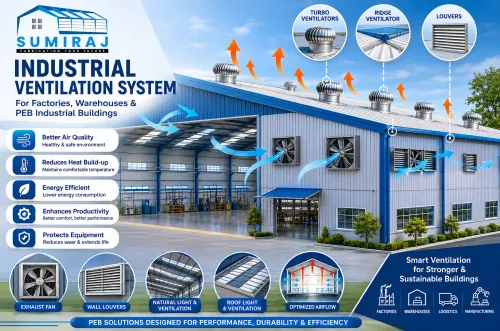
9. Doors and Ventilation Systems
Proper access and ventilation are essential for any industrial building.
Components Include:
Rolling shutters
Sliding doors
Personnel doors
Turbo ventilators
Ridge ventilators
Louvers
Function:
Air circulation
Temperature control
Easy movement of personnel and materials
Improved workplace environment
10. Fasteners and Accessories
Although small in size, accessories are critical for the performance of a PEB structure.
Components Include:
High-strength bolts
Self-drilling screws
Anchor bolts
Sealants
Gutters
Down-take pipes
Flashings
Function:
Secure structural connections
Prevent water leakage
Ensure structural integrity
High-quality fastening systems contribute to long-term durability.
Advantages of Using a Well-Designed PEB Structure
A properly engineered PEB building offers numerous advantages:
Faster construction time
Lower project cost
High structural strength
Reduced maintenance requirements
Superior durability
Flexible expansion possibilities
Better energy efficiency
Eco-friendly construction
These benefits have made PEBs the preferred choice for modern industrial and commercial projects.
Why Choose Sumiraj for PEB Structures?
Sumiraj is a trusted manufacturer and supplier of high-quality Pre-Engineered Building solutions. Our team specializes in designing, manufacturing, and delivering customized PEB structures that meet international quality standards.
Our Expertise Includes:
Industrial sheds
Warehouses
Manufacturing plants
Logistics centers
Commercial buildings
Turnkey PEB solutions
We focus on precision engineering, superior materials, and timely project execution to ensure maximum value for our clients.
Conclusion
A Pre-Engineered Building is much more than a steel frame. It is a carefully engineered system consisting of primary framing, secondary members, roofing, cladding, bracing, insulation, ventilation, and accessories that work together to create a strong, efficient, and long-lasting structure.
Understanding the components of a PEB structure helps project owners select the right building solution and maximize their return on investment.
If you are planning an industrial, commercial, or warehouse project, Sumiraj can provide complete customized PEB solutions designed to meet your specific requirements.
Contact Sumiraj Today
Looking for a reliable PEB manufacturer and supplier in India?
Contact Sumiraj to discuss your project requirements and get a customized solution from industry experts.
📞 Phone: +91-7065539408
📧 Email: info@sumiraj.com
Frequently Asked Questions (FAQs)
1. What are the main components of a PEB structure?
The primary components include primary framing, secondary framing, roofing systems, wall cladding, bracing systems, insulation, ventilation systems, and fasteners.
2. What is the role of primary framing in a PEB building?
Primary framing acts as the main load-bearing structure and transfers building loads safely to the foundation.
3. Why are purlins and girts important in PEB construction?
Purlins support roof panels, while girts support wall cladding and help distribute loads throughout the structure.
4. Can a PEB building accommodate overhead cranes?
Yes. PEB structures can be specifically designed to support overhead crane systems of various capacities.
5. What insulation materials are commonly used in PEB buildings?
Rockwool, glass wool, PUF panels, and reflective foil insulation are commonly used depending on thermal and acoustic requirements.
6. Are PEB structures suitable for industrial warehouses?
Yes. Warehouses are among the most common applications of PEB structures due to their cost-effectiveness, speed of construction, and scalability.
7. How long does a PEB structure last?
With proper design, fabrication, and maintenance, a PEB structure can provide reliable service for several decades.