
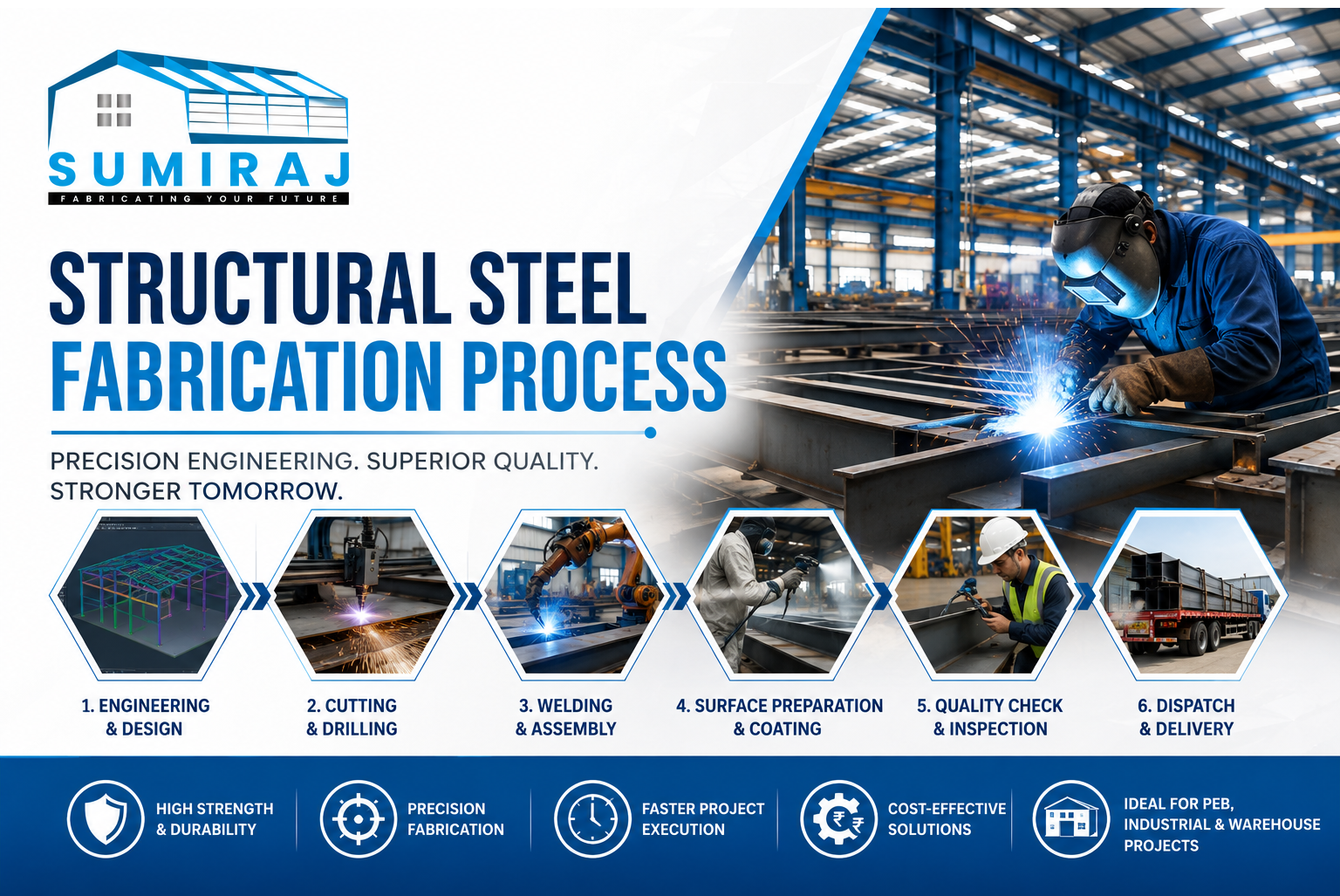
Structural Steel Fabrication Process: A Complete Guide for Industrial and PEB Projects in Lucknow
In today's industrial construction landscape, the Structural Steel Fabrication Process plays a critical role in delivering durable, cost-effective, and high-performance buildings. From manufacturing facilities and warehouses to logistics hubs and industrial sheds, fabricated steel structures form the backbone of modern infrastructure.
For factory owners, warehouse developers, industrial investors, contractors, and manufacturing businesses in India, understanding the Structural Steel Fabrication Process is essential when planning a new facility or expansion project. The quality of fabrication directly impacts project timelines, structural performance, safety, and long-term operational costs.
As a leading Pre-Engineered Building (PEB) manufacturer and supplier, Sumiraj specializes in advanced steel fabrication solutions that support industrial growth across India. This guide explains the complete fabrication process, industry best practices, cost considerations, and why choosing an experienced fabrication partner is crucial for project success.
What Is the Structural Steel Fabrication Process?
The Structural Steel Fabrication Process refers to the conversion of raw steel into engineered structural components used in industrial buildings, warehouses, factories, logistics facilities, and Pre-Engineered Buildings.
Fabrication involves multiple stages, including:
Engineering and detailing
Material procurement
Cutting
Drilling
Welding
Surface preparation
Painting or coating
Quality inspection
Dispatch and erection support
The final fabricated components are assembled at the project site to create a strong and durable steel structure building.
Why Structural Steel Fabrication Is Important
Structural steel fabrication forms the foundation of successful industrial building construction projects.
Its importance includes:
Faster project execution
High structural accuracy
Reduced construction waste
Improved durability
Lower lifecycle costs
Better quality control
Faster return on investment
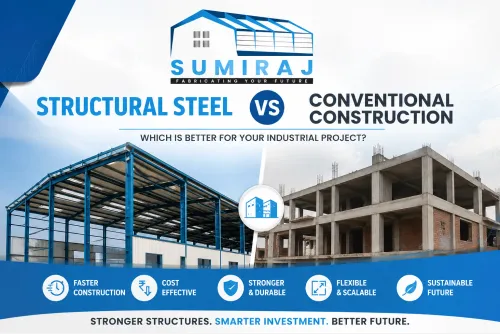
For businesses planning a PEB industrial shed, warehouse, manufacturing plant, or logistics center, professionally fabricated steel structures offer significant advantages over conventional construction methods.
Step-by-Step Structural Steel Fabrication Process
1. Project Planning and Engineering Design
Every successful fabrication project begins with detailed planning and engineering.
During this phase, engineers determine:
Building dimensions
Load requirements
Wind and seismic factors
Roof and wall systems
Crane loads (if applicable)
Future expansion requirements
Advanced design software is used to create accurate structural models and fabrication drawings.
Importance of Engineering Accuracy
Precise engineering helps:
Reduce material wastage
Improve fabrication efficiency
Avoid site modifications
Enhance structural performance
This stage is particularly important for industrial building construction and large-span warehouse facilities.
2. Material Procurement and Inspection
After design approval, raw steel materials are sourced from approved suppliers.
Materials typically include:
Steel plates
Beams
Channels
Angles
Pipes
Hollow sections
Quality Verification
Incoming materials undergo inspection for:
Mechanical properties
Chemical composition
Thickness accuracy
Surface quality
Compliance with industry standards
Quality raw materials are essential for producing reliable fabricated structures.
3. Steel Cutting Operations
Cutting is one of the most critical stages in the Structural Steel Fabrication Process.
Steel components are cut according to engineering specifications using advanced equipment such as:
CNC plasma cutting machines
Oxy-fuel cutting systems
Band saws
Shearing machines
Benefits of CNC Cutting
Modern CNC cutting technology provides:
High precision
Faster production
Reduced wastage
Consistent quality
Accurate cutting ensures seamless assembly during project erection.
4. Drilling and Hole Making
Structural members require holes for bolted connections.
These holes are created using:
CNC drilling machines
Radial drilling machines
Multi-spindle drilling systems
Precision drilling ensures:
Accurate alignment
Faster installation
Stronger connections
Reduced site adjustments
This stage significantly impacts erection efficiency.
5. Welding and Assembly
Welding is the process of joining steel components into larger assemblies.
Typical fabricated assemblies include:
Columns
Rafters
Trusses
Bracing systems
Crane beams
Connection plates
Welding Quality Standards
Fabrication facilities follow strict welding procedures to ensure:
Structural integrity
Load-bearing capacity
Durability
Safety compliance
Certified welders and quality inspectors play a critical role in maintaining fabrication standards.
6. Surface Preparation
Before painting or coating, fabricated steel components undergo surface preparation.
The objective is to remove:
Rust
Mill scale
Dust
Oil
Contaminants
Common Surface Preparation Methods
Shot blasting
Sand blasting
Mechanical cleaning
Proper surface preparation improves coating adhesion and corrosion resistance.
7. Painting and Protective Coating
Protective coatings extend the lifespan of steel structures.
Depending on project requirements, fabrication companies may use:
Epoxy coatings
Zinc-rich primers
Polyurethane paints
Industrial protective systems
Benefits of Protective Coatings
Corrosion resistance
Enhanced durability
Improved aesthetics
Reduced maintenance
This stage is particularly important for industrial facilities exposed to harsh environments.
8. Quality Control and Inspection
Quality control is integrated throughout the Structural Steel Fabrication Process.
Inspection activities include:
Dimensional verification
Welding inspections
Material traceability checks
Coating thickness testing
Visual quality assessments
Why Quality Inspection Matters
Effective quality control helps:
Prevent structural defects
Improve project reliability
Reduce rework costs
Ensure regulatory compliance
At Sumiraj, quality assurance remains a core component of every fabrication project.
9. Packing, Dispatch, and Site Delivery
After inspection approval, fabricated components are prepared for transportation.
Proper dispatch planning includes:
Component marking
Loading sequence management
Transportation protection
Delivery coordination
Efficient logistics help maintain project schedules and reduce site delays.
Applications of Structural Steel Fabrication
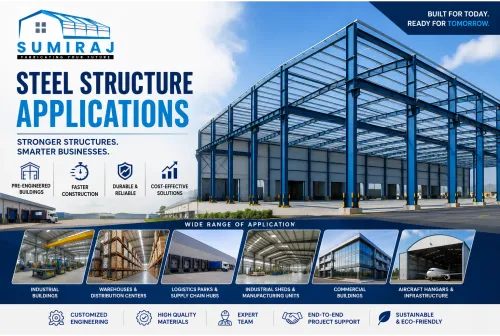
Structural steel fabrication supports a wide range of industrial sectors.
Manufacturing Facilities
Steel structures provide large clear-span spaces ideal for production operations.
Warehouses
Warehouse construction companies increasingly prefer fabricated steel structures due to their speed and flexibility.
Logistics and Distribution Centers
Modern logistics operations require large storage areas and efficient material handling layouts.
Industrial Sheds
Factory shed construction projects rely heavily on fabricated steel components for strength and durability.
Pre-Engineered Buildings
PEB systems use fabricated steel members to achieve faster project completion and lower construction costs.
Benefits of the Structural Steel Fabrication Process
Faster Construction
Fabricated components arrive ready for assembly, reducing site work and project timelines.
Superior Quality Control
Factory-controlled fabrication environments ensure consistent quality.
Cost Efficiency
Optimized designs reduce steel consumption and labor costs.
Design Flexibility
Steel fabrication allows customized building layouts for different industries.
Long-Term Durability
Properly fabricated and coated steel structures offer excellent lifespan and performance.
Sustainability
Steel is recyclable, making fabricated structures environmentally responsible solutions.
Cost Considerations for Structural Steel Fabrication
Several factors influence fabrication costs.
Project Size
Larger projects generally benefit from better cost efficiency per ton.
Steel Grade and Material Selection
Material specifications directly impact fabrication expenses.
Structural Complexity
Complex designs require additional engineering and fabrication effort.
Coating Requirements
Advanced protective systems may increase initial costs but reduce long-term maintenance expenses.
Fabrication Technology
Modern CNC equipment improves quality and productivity while affecting manufacturing costs.
Location and Logistics
Structural Steel Fabrication Process projects in Lucknow may experience cost variations due to:
Transportation requirements
Site accessibility
Material availability
Regional labor factors
Obtaining a detailed project assessment is essential for accurate budgeting.
Structural Steel Fabrication Process in Lucknow
Industrial growth across Lucknow has increased demand for reliable fabrication solutions.
Businesses searching for the Structural Steel Fabrication Process in Lucknow often require:
Industrial building construction
PEB industrial shed solutions
Warehouse shed manufacturer services
Steel structure building expertise
Factory shed construction support
Pre engineered steel building systems
Partnering with an experienced fabrication company ensures project quality, safety, and long-term value.
Why Choose Sumiraj
As a leading PEB manufacturer and supplier, Sumiraj delivers end-to-end structural steel fabrication solutions for industrial projects across India.
Advanced Manufacturing Infrastructure
Our facility utilizes modern fabrication equipment to ensure precision and efficiency.
Experienced Engineering Team
We design structures that optimize performance, durability, and cost-effectiveness.
Strict Quality Standards
Every fabricated component undergoes rigorous inspection and testing.
Customized Project Solutions
We tailor fabrication services to match specific industry and operational requirements.
Timely Delivery
Efficient production planning and logistics management help clients meet project deadlines.
Complete Project Support
From design and fabrication to installation assistance, Sumiraj provides comprehensive support throughout the project lifecycle.
Frequently Asked Questions (FAQs)
1. What is structural steel fabrication?
Structural steel fabrication is the process of transforming raw steel into engineered components used in industrial buildings, warehouses, factories, and PEB structures.
2. Why is steel fabrication important in industrial construction?
It improves structural quality, reduces construction time, minimizes waste, and enhances project efficiency.
3. What industries use fabricated steel structures?
Manufacturing, warehousing, logistics, infrastructure, power, automotive, and industrial sectors commonly use fabricated steel structures.
4. How does fabrication affect project cost?
Efficient fabrication reduces material wastage, labor requirements, and construction time, resulting in better overall project economics.
5. What quality checks are performed during fabrication?
Quality checks include material inspection, dimensional verification, welding inspection, coating testing, and final quality audits.
6. How long do fabricated steel structures last?
With proper design, fabrication, and maintenance, steel structures can provide decades of reliable service.
7. Why choose Sumiraj for steel fabrication projects?
Sumiraj combines engineering expertise, advanced manufacturing capabilities, strict quality control, and customer-focused project execution to deliver dependable fabrication solutions.
Conclusion
The Structural Steel Fabrication Process is a critical element in the success of industrial buildings, warehouses, logistics facilities, and Pre-Engineered Building projects. From engineering design and material selection to fabrication, quality control, and delivery, every stage contributes to structural performance, safety, and long-term value.
For businesses planning industrial expansion in Lucknow, investing in a professionally managed Structural Steel Fabrication Process ensures faster construction, superior quality, and better returns on investment. Choosing an experienced fabrication partner like Sumiraj can make a significant difference in project success.
Contact Sumiraj Today
Planning an industrial shed, warehouse, factory building, or PEB project?
Contact Sumiraj today through WhatsApp or a phone call to discuss your project requirements and discover the most efficient structural steel and PEB solution for your business.
Newsletter Subscription
Subscribe to our updates and stay informed about the latest trends, innovations, and cost-saving solutions in PEB construction, industrial buildings, and warehouse development.