
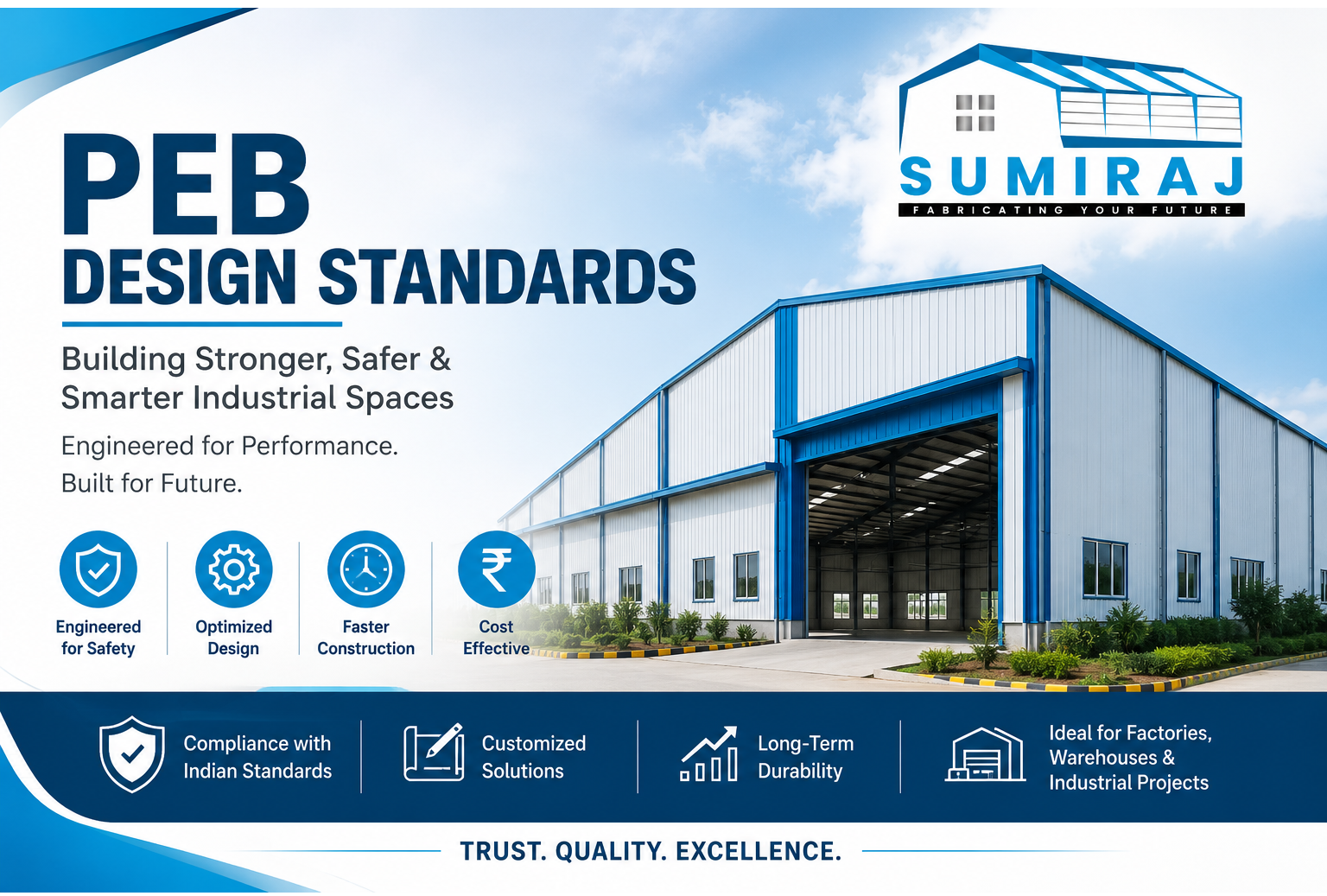
PEB Design Standards: A Complete Guide for Durable, Safe, and Efficient Industrial Buildings
Pre-Engineered Buildings (PEBs) have transformed industrial construction by offering faster execution, optimized material usage, and cost-effective infrastructure solutions. Whether you are planning a factory, warehouse, logistics hub, or manufacturing facility, understanding PEB Design Standards is essential to ensure safety, structural stability, and long-term performance.
For businesses looking for PEB Design Standards in New Delhi, choosing a manufacturer that follows recognized engineering practices can significantly improve project quality, operational efficiency, and return on investment.
What Are PEB Design Standards?
PEB Design Standards are a set of engineering principles, structural codes, and quality requirements followed while designing and manufacturing Pre-Engineered Buildings. These standards ensure that every building can safely withstand expected loads, environmental conditions, and operational demands.
A properly designed PEB considers:
Dead loads
Live loads
Wind loads
Seismic loads
Roof and wall loading
Crane loads (where applicable)
Serviceability requirements
Structural stability and durability
By adhering to these standards, industrial buildings achieve better safety, longer service life, and reduced maintenance costs.
Why PEB Design Standards Matter
Industrial buildings represent significant long-term investments. Poor structural design can lead to operational disruptions, higher maintenance expenses, and safety risks.
Following established PEB Design Standards helps ensure:
Structural safety
Efficient steel utilization
Better load distribution
Compliance with Indian building regulations
Faster project approvals
Improved building lifespan
For industrial projects in New Delhi, following proven design practices also ensures that structures perform reliably under local environmental conditions.
Key Indian Standards Used in PEB Design
Professional PEB manufacturers follow relevant Indian Standards (IS Codes) during the design and engineering process.
IS 800 – General Construction in Steel
This standard provides guidelines for designing steel structures using the limit state method, ensuring structural strength and safety.
IS 875 – Design Loads
IS 875 defines different types of loads acting on buildings, including:
Dead loads
Imposed loads
Wind loads
Special loading conditions
Proper load calculations are fundamental to safe PEB design.
IS 1893 – Earthquake Resistant Design
India has multiple seismic zones. IS 1893 provides guidelines for designing buildings that can withstand earthquake forces while minimizing structural damage.
IS 2062 – Structural Steel Specification
This standard specifies the quality requirements for structural steel used in PEB construction, ensuring consistency, strength, and durability.
Major Factors Considered During PEB Design
Every industrial project has unique operational requirements. Engineers evaluate several parameters before finalizing the building design.
Building Dimensions
The overall length, width, and height determine the structural configuration and steel requirements.
Wind Load Analysis
Wind pressure varies across different regions of India. Proper wind load analysis ensures structural stability and roof safety.
Seismic Considerations
Buildings located in earthquake-prone regions require additional structural reinforcement to comply with seismic design standards.
Roof Slope
The roof angle affects rainwater drainage, maintenance, and overall structural performance.
Future Expansion
Many industrial businesses plan future capacity expansion. Modern PEB designs can accommodate future building extensions with minimal disruption.
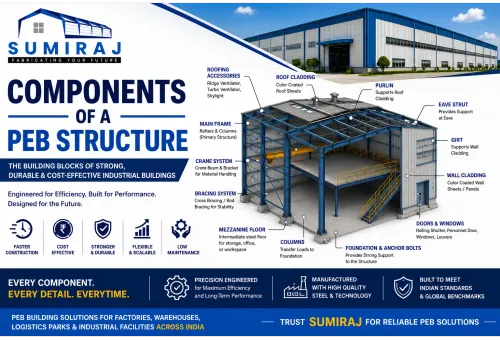
Crane Systems
Manufacturing facilities often require overhead cranes. The structural design must account for crane loads, dynamic forces, and operational safety.
Benefits of Following PEB Design Standards
Implementing recognized PEB Design Standards offers multiple business advantages.
Enhanced Structural Safety
Proper engineering minimizes structural risks and ensures reliable building performance throughout its service life.
Cost Optimization
Accurate structural analysis eliminates unnecessary steel consumption while maintaining strength, resulting in better project economics.
Faster Construction
Standardized engineering simplifies fabrication and site erection, reducing overall project timelines.
Regulatory Compliance
Buildings designed according to applicable standards are more likely to meet approval requirements from regulatory authorities.
Lower Maintenance Costs
Well-designed structures experience less wear, reducing long-term repair and maintenance expenses.
Improved Operational Efficiency
Optimized layouts provide better space utilization, improved workflow, and greater flexibility for industrial operations.
Industries That Benefit from Standardized PEB Design
PEB Design Standards are applicable across a wide range of industries, including:
Manufacturing plants
Warehouses
Logistics parks
Distribution centers
Food processing units
Automobile facilities
Textile industries
Engineering workshops
Cold storage facilities
Pharmaceutical industries
Businesses searching for reliable PEB Design Standards in New Delhi can benefit from customized engineering solutions tailored to their operational needs.
Common Mistakes to Avoid During PEB Design
Selecting a PEB supplier based solely on price can result in long-term structural and operational challenges.
Common mistakes include:
Ignoring future expansion requirements
Using non-standard structural components
Inadequate wind load calculations
Poor drainage planning
Choosing low-quality steel
Insufficient quality control during fabrication
Lack of experienced structural engineering
Working with an experienced PEB manufacturer helps avoid these issues and ensures a successful project.
Why Choose Sumiraj?
Selecting the right PEB partner is just as important as selecting the right building design.
Sumiraj delivers engineered PEB solutions designed for durability, efficiency, and long-term value. Every project is developed with careful attention to structural integrity, quality manufacturing, and customer-specific requirements.
Why industrial businesses choose Sumiraj:
Experienced engineering team
Customized PEB solutions
High-quality structural steel
Compliance with recognized design standards
Efficient project execution
Reliable quality control
Cost-effective industrial building solutions
Strong focus on customer satisfaction
Whether you are planning a new factory, warehouse, logistics facility, or industrial building, Sumiraj provides dependable engineering support from design through project completion.
Frequently Asked Questions (FAQs)
1. What are PEB Design Standards?
PEB Design Standards are engineering guidelines and structural codes used to design safe, durable, and efficient Pre-Engineered Buildings.
2. Why are design standards important for industrial buildings?
They ensure structural safety, regulatory compliance, optimized material usage, and long-term building performance.
3. Which Indian codes are commonly used in PEB design?
The most commonly used standards include IS 800, IS 875, IS 1893, and IS 2062, depending on project requirements.
4. Can PEB buildings be customized?
Yes. PEB structures can be customized for factories, warehouses, logistics centers, manufacturing units, and various industrial applications.
5. Are PEB buildings suitable for future expansion?
Yes. One of the major advantages of PEB construction is the ability to expand facilities with minimal disruption when future business growth requires additional space.
6. How do PEB Design Standards improve project cost efficiency?
Optimized engineering reduces unnecessary steel usage, minimizes construction waste, shortens project timelines, and lowers lifecycle maintenance costs.
Conclusion
Following PEB Design Standards is essential for constructing industrial buildings that are safe, durable, and cost-efficient. From accurate load calculations and quality materials to compliance with Indian standards, every aspect of structural design contributes to the long-term success of a project.
If you are looking for reliable PEB Design Standards in New Delhi, partnering with an experienced manufacturer like Sumiraj ensures your industrial building is designed for performance, compliance, and future growth.
Contact Sumiraj Today
Planning a factory, warehouse, or industrial building? Connect with Sumiraj today via WhatsApp or phone call to discuss your project requirements and receive expert guidance on the right PEB solution for your business.
Subscribe to Our Newsletter
Subscribe to our updates and stay informed about the latest trends, innovations, and cost-saving solutions in PEB construction, industrial buildings, and warehouse development.